
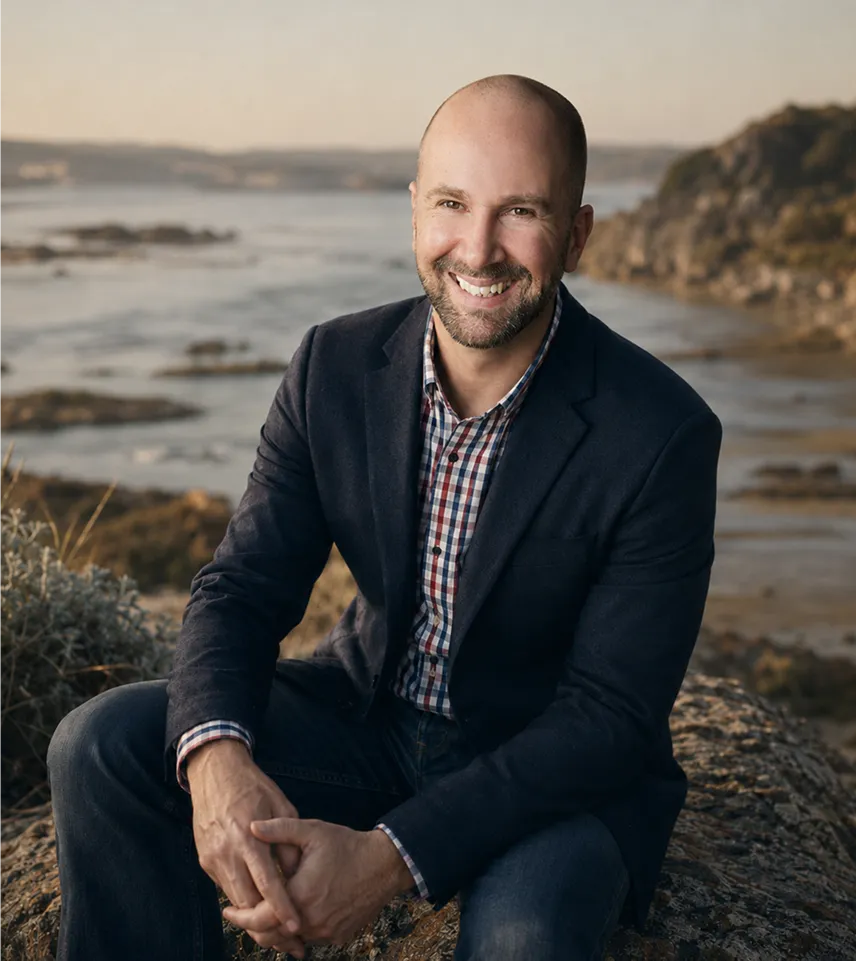
David J. Norris
Author, The Brain Commons
Human capability, brain health & institutional conditions
For more than twenty-five years, David has worked alongside people whose ability to think, decide and participate has changed through injury, illness, ageing or disruption.
That work kept returning him to one question:
Why do capable people sometimes become unable to do what they’re capable of?
At first, the answer seemed clinical.
Over time, it became harder to separate the person from the world around them.
Work. Technology. Care. Institutions. Relationships. The pace and design of everyday life.
Today, that question sits beneath David’s writing, research and public work on brain health, AI and human agency.

The work began closer to the person.
David’s professional life began in occupational therapy and neurological rehabilitation.
Years spent with people living through changes in memory, judgement, identity and everyday life made one thing difficult to ignore:
what someone can do is rarely explained by the person alone.
A neurological change can alter capability.
So can the world that person must now navigate.
Too much complexity. Poorly designed work. Fragmented care. Technology that shifts the task. Environments that consume the very attention they demand.
Once you see that distinction, it becomes difficult to stop seeing it.
Capability may be lived by the person. Its expression is never theirs alone.
One question has kept travelling.
The work now moves through different domains, but the underlying concern remains remarkably consistent.
The Brain Commons
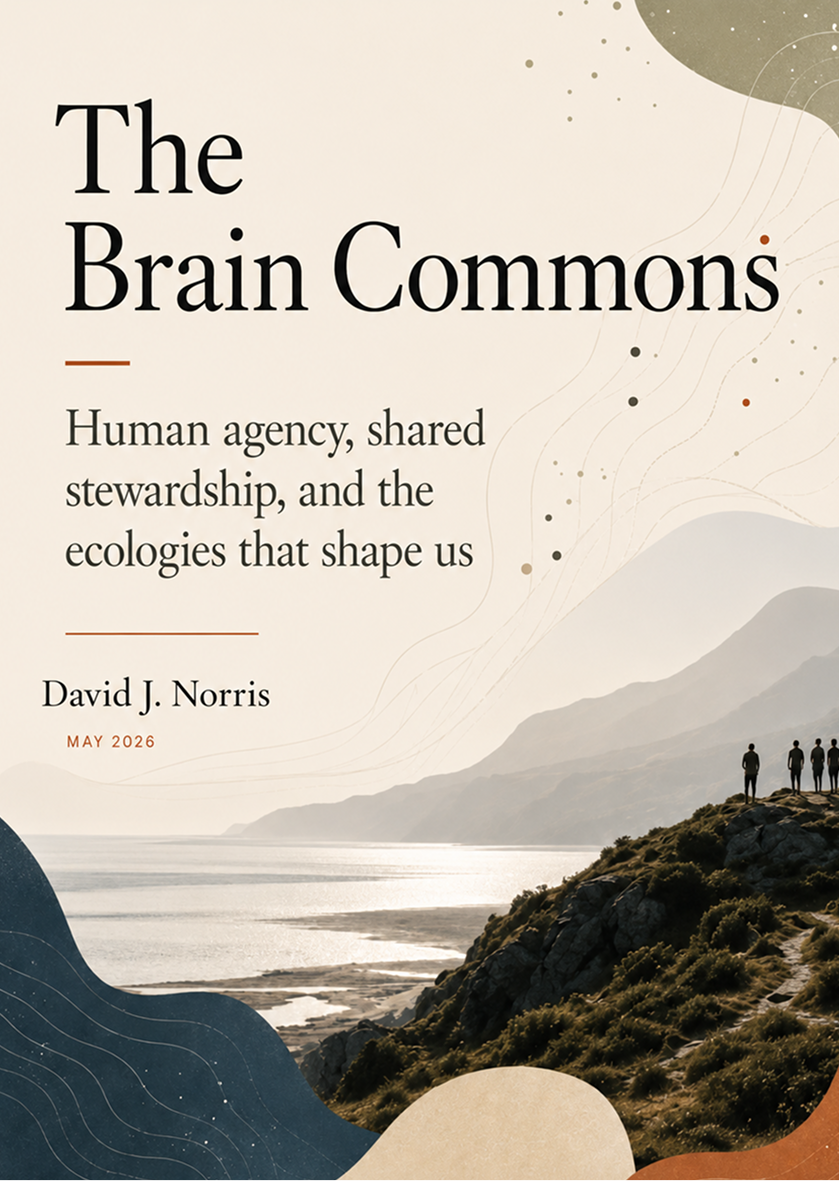
What conditions make human agency possible?
The Brain Commons widens the field around the individual.
It asks what relationships, environments, technologies and institutions make it easier, or harder, for people to think, judge and act for themselves.

AI, work and judgement

What happens when increasingly capable systems change the work through which human capability was formed?
David’s work on AI follows what happens beneath improved performance.
When tasks move to intelligent systems, what human judgement is no longer being practised? What expertise thins quietly? Who notices before it matters?
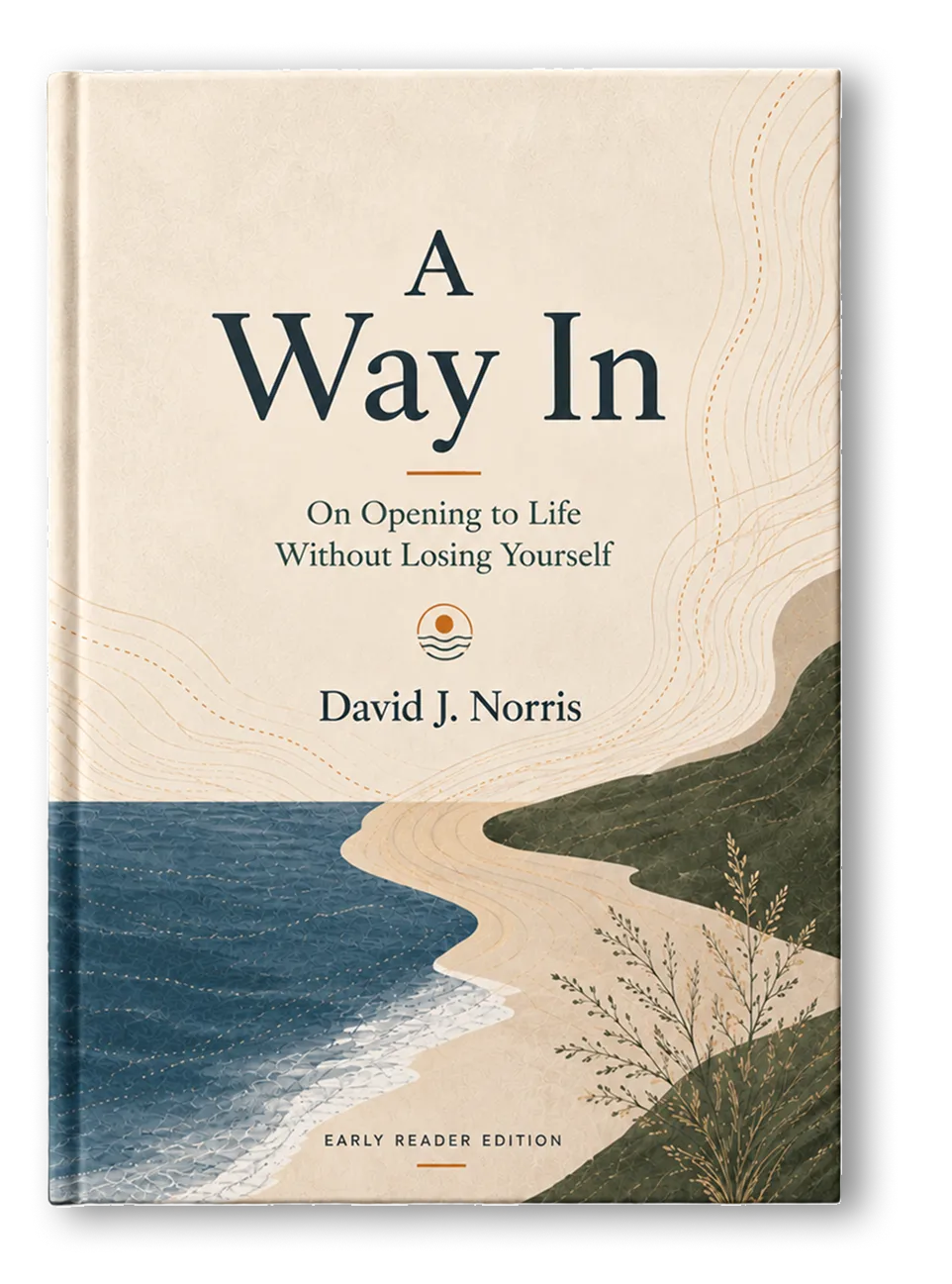
A Way In
What does agency feel like from the inside?
A Way In turns toward the more intimate edge of the same inquiry.
How can a person remain open to love, loss, illness, change and relationship without disappearing inside what arrives?

Grounded in practice. Carried into public life.
David is a senior occupational therapist and founder of The Brain Health Clinic and CareLoom.
His work has moved through neurological rehabilitation, cognitive health, ageing, service design and technology, then outward into research, writing, universities, leadership rooms and interdisciplinary conversations.
That movement matters.
The ideas didn’t begin as theory.
They grew from watching what happens when people meet systems that either enlarge or narrow what remains possible.
David is also a co-author of a 2026 Nature Medicine paper on the social foundations of health systems.
For media and organisers
David J. Norris
Author, The Brain Commons
Human capability, brain health & institutional conditions
SHORT BIOGRAPHY
David J. Norris is an Australian author and practitioner working on how human capability is shaped across brain health, work, technology and institutions.
His perspective comes from more than twenty-five years in neurological and cognitive practice as a senior occupational therapist.
He is the author of The Brain Commons, an inquiry into the shared conditions that shape human agency. His current work asks what happens to judgement and participation as AI and other systems change the environments in which people live and work.
David is based in Brisbane, Australia.
EXTENDED BIOGRAPHY
David J. Norris is an Australian author and practitioner exploring how human capability is developed, sustained and exercised across brain health, technology, work and institutional life.
His questions come from more than twenty-five years in neurological and cognitive practice as a senior occupational therapist. Working alongside people and families navigating changes in memory, judgement, identity and everyday participation taught him that what someone can do is rarely explained by the person alone.
That observation became the foundation for The Brain Commons, his inquiry into the shared conditions that shape human agency.
David’s current work carries that thinking into AI and institutions, asking how increasingly capable technologies redistribute judgement, change opportunities to practise expertise and alter what people remain able to do for themselves.
He is also the founder of The Brain Health Clinic and CareLoom, and a co-author of a 2026 Nature Medicine paper on the social foundations of health systems.
His forthcoming book, A Way In, turns toward the intimate side of the same concern: how a life can remain open to change without being given away.
Across essays, research, public conversations and interdisciplinary collaborations, David brings a practitioner’s attention to the human consequences of the systems we build around ourselves.
He is based in Brisbane, Australia.